
If you told me a decade ago that drones would transform everything from inspections to infrastructure to disaster response, I’d have nodded and agreed, as we were actively educating our clients and the public about the capabilities of drones. But what we’re seeing today? The pace, the scale, the vision of where drone consulting is heading, it’s beyond what most folks imagine. At BEAD Global, we live at that intersection of what is and what’s coming. Let’s unpack what really lies ahead from 2025 to 2030, and why organizations that get ahead of this moment will lead, not follow.
Why 2025–2030 is a Turning Point?
There’s a trifecta of forces converging right now:
- Technology maturity – Drones aren’t just toys or niche tools anymore. High-end sensors, LiDAR, thermal, AI-enabled visual analytics, autonomous BVLOS (Beyond Visual Line of Sight) flights, they’re increasingly practical and cost-effective.
- Regulatory evolution – The rules are catching up. New FAA guidance, Part 107 expansions, BVLOS frameworks, airspace integration, all accelerating. The rules that once held drones back are loosening as policymakers see the need for accelerating the drone industry in America.
- Business expectation shift – Organizations now expect data-rich, real-time, proactive insights. They no longer accept “we’ll send a crew in next quarter” as the norm. They want faster, smarter, and more strategic.
Put these together and you’ll see: the next five-plus years will redefine what “drone consulting” means. And for a firm like BEAD Global, a veteran- and woman-owned Advanced Drone Consultant in California, it’s the moment to lead.
What “Drone Consulting” Already Means at BEAD Global?
Before we jump ahead, let’s reflect on what we do today—so we can calibrate where we’re going.
- We help organizations assess their drone readiness: What’s your goal? What’s your risk profile? Which assets matter?
- We integrate the right strategy: Do you build in-house? Outsource? Which sensors? Which workflows? What compliance is needed?
- We maximize the outcome: Training teams, vendor management, data workflows, scaling, analytics, and ROI.
- We advise across industries, utilities, infrastructure, government, environment, bringing a strategic lens, not just “fly this drone.”
So, when we say “The Best Drone Consultant in California” or “Best drone consulting company,” we don’t mean buzzwords. We mean strategy + execution + future-readiness.

The Six Big Trends That Will Drive Drone Consulting 2025-2030
Here are our predictions, what we’re planning for at BEAD Global, and what you should plan for too.
Trend 1: Autonomous and BVLOS Missions Become Mainstream
In 2025-2030, you’ll see more drone operations that don’t require a pilot standing beside the machine. Instead:
- Drones will fly beyond visual line of sight (BVLOS) under approved frameworks.
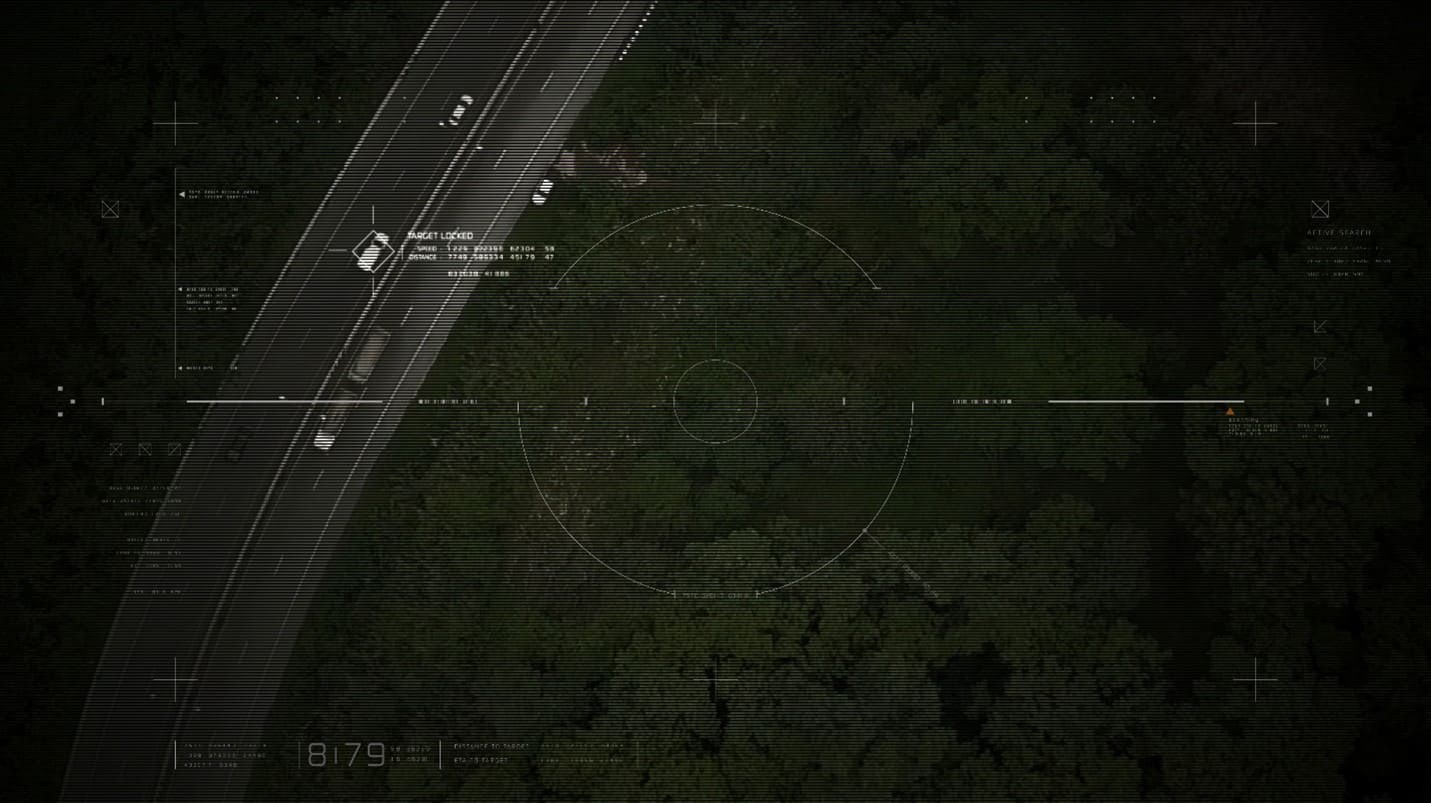
- Drones will autonomously patrol infrastructure: powerlines, pipelines, alternative energy infrastructure, rail corridors, and highways.
- Drone consulting firms will become GPS + airspace + mission design specialists, not just “let’s fly a drone today”
- The consultancy challenge: designing safe, redundant, scalable autonomous missions.
For organizations, the message is clear: If you’re still only thinking “let’s send a drone when convenient”, you’ll lag behind. The future is constant aerial monitoring.
Trend 2: Data Becomes the Core Deliverable—Not Just “Pretty Pictures”
Most earlier drone projects focused on capturing imagery. Going forward:
- Drone consulting will shift to delivering analytics, insights, and workflow integration (rather than raw footage).
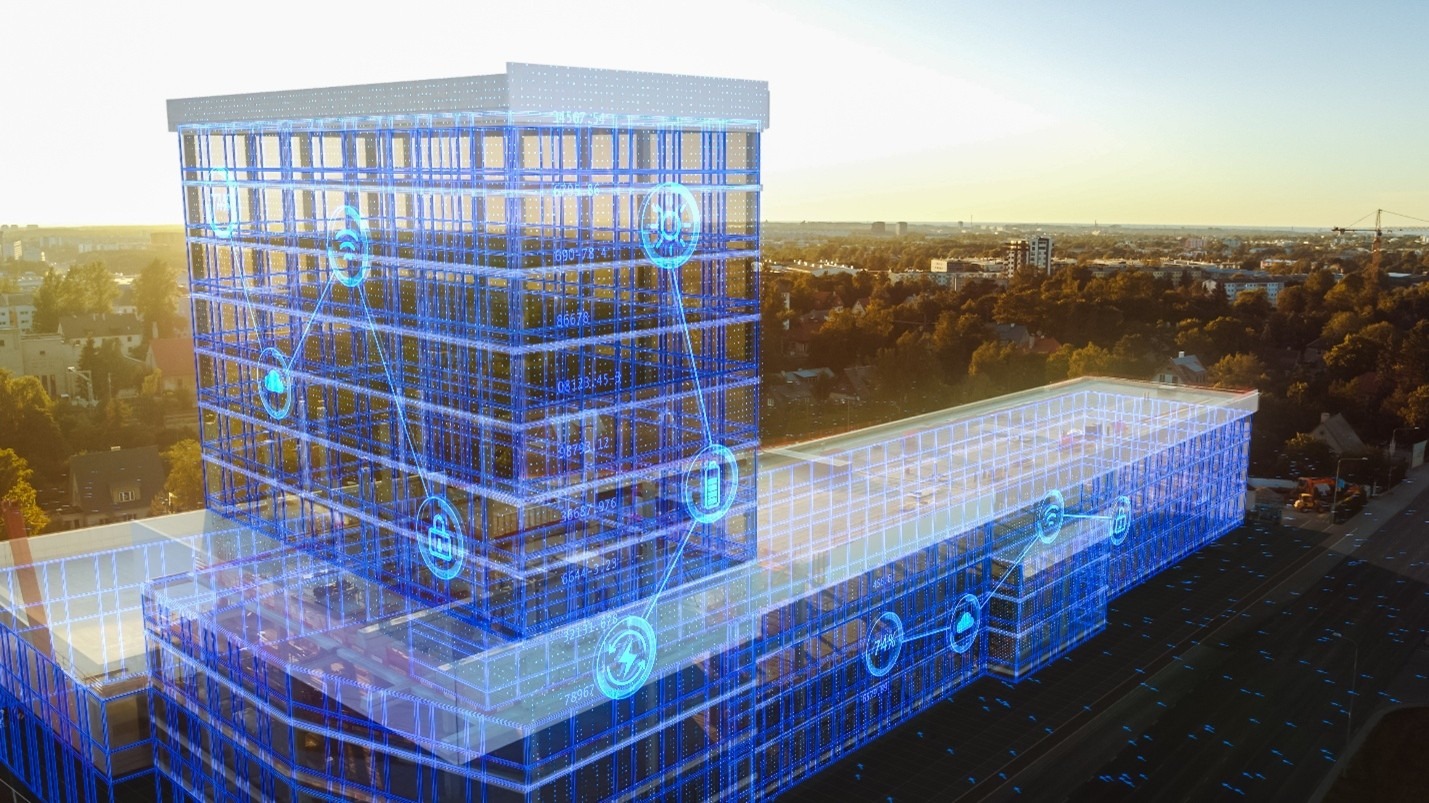
- Expect 3D meshes, digital twins, thermal anomaly detection, change-detection over time, and machine-learning-based defect recognition.
- Consultants will advise on how to ingest that data into asset-management systems, GIS, and CMMS, making drone output actionable.
- The value will be in what you do with the data, not just that you “flew a drone”.
At BEAD, we’re already guiding clients toward “what happens after the flight” because that’s where the ROI lives.
Trend 3: Regulation + Safety + Standardization Will Shift Up a Gear
From 2025 to 2030 expect:
- More streamlined FAA frameworks for BVLOS, nighttime, and urban operations.
- Standardized certifications, insurance norms, and drone program audits, making drone consulting partly a compliance practice.
- Consultants will help build drone programs that meet audit, safety, and regulatory maturity, not just ad-hoc missions.
- We’ll see more “drone program health-checks” (Are you compliant? Are your pilots trained? Is your data chain secure?).
For clients, a drone consultant now must understand the regulations deeply. It’s not optional.
Trend 4: Vertical-Specific Consulting, Not One-Size-Fits-All
The industries adopting drones fastest are not identical—they have unique needs:
- Utilities monitoring long transmission lines and distribution poles circuits
- Rail and transportation assessing corridors
- Construction and infrastructure are making progress, capture & QA/QC
- Environmental and agricultural use of multispectral/thermal sensing
- Public-safety/disaster-response racing for rapid situational awareness
From 2025 onward, we’ll see consulting firms specializing even further. BEAD Global, for example, works deeply with infrastructure, government, and utility sectors. Clients will expect this depth of vertical expertise.
Trend 5: From Pilot Projects to Fully Scaled Programs
It used to be “let’s test if a drone can do this job.” From 2025–2030:
- The pivot will be “we already have drones, how do we scale to hundreds of hours flown, all over our assets, with consistent workflows?”
- Consulting will focus less on “fly once” and more on “build the enterprise program” training, staffing, SOPs, governance, and vendor management.
- Firms will need to show ROI, metrics, dashboards, not just “here’s the video”.
- Drone consulting becomes more like “enterprise transformation consulting” than “let’s operate a UAV”.
Trend 6: Cross-Domain Integration—Drones + IoT + AI + Edge
- Drones will feed IoT networks and digital twins, linking aerial data with sensors on the ground.
- AI will analyze imagery in near-real time (detect cracks, corrosion, vegetation encroachment, shift detection).
- Edge computing may allow drones to process data onboard and send alerts instantly.
- Consultants will need to advise on the ecosystem, not just “pick a drone and fly”.
At BEAD Global, we’re preparing for this by deepening our consulting into data architecture, systems integration, and vendor orchestration.

What to Expect If You’re Engaging a Drone Consulting Firm (Now through 2030)?
If you’re considering partnering with an advanced drone consulting company in California, or anywhere in the USA, here’s what you should expect them to deliver, and what you should plan for.
Now (2025)
- A full assessment of your current capabilities: What drones you have, what data you collect, what workflow gaps exist.
- A roadmap: In-house vs outsourcing, sensors, regulatory path, pilot training, data system.
- Pilot projects: proof-of-concept flights, demonstrating use-cases, building internal buy-in.
- Basic integration: imagery to GIS, showing how data can be used.
Short-Term (2026-2027)
- Moving beyond pilots: ramping up operations, standardizing flights, building SOPs.
- Wider sensor adoption: LiDAR, thermal, advanced optics.
- Regulatory advances: perhaps early BVLOS missions under waiver.
- Data pipelines beginning to feed dashboards/asset managers.
- Early ROI quantifications: fewer man-hours, faster inspections, safety improvements.
Mid-Term (2028-2030)
- Fully scaled drone programs: recurring flights, wide asset coverage, minimal human footprint.
- Autonomous or semi-autonomous drone missions will become routine in some sectors.
- AI-enabled analytics flag maintenance needs in real-time, feed into predictive maintenance systems.
- Drone consulting firms act as true strategic partners, helping you align aerial data, workflows, asset management, and mission outcomes.
- Competing organizations will be differentiated by how well they leverage drones, not just whether they use them.

Why BEAD Global Is Your Partner for That Future?
As you plan for this shifting landscape, here’s why choosing BEAD Global makes sense:
- Proven strategic experience: As the founders, we’ve built one of California’s most well-known drone service firms, and then we realized the gap: many orgs have drones; they don’t have the strategy. BEAD Global was born to fill that.
- Tailored for California and beyond: We’re based in California, understand the regulation, terrain, and commercial landscape here, but our consulting spans national and global missions.
- Woman-owned, veteran-friendly mindset: We bring empathy, leadership, and results. Having worked across government, private, and international sectors, we speak the language of operations, risk, and strategy.
- End-to-end consulting: We don’t just throw drones at you. We assess, integrate, and maximize. We handle compliance, vendor strategy, training, and scaling. That means you’re building a sustainable program, not just a one-off project.
- Future-proof mindset: We’re not just solving today. We’re advising what’s coming. If you partner now, you’ll be set up for 2028-2030, not scrambling when the next wave hits.

Practical Steps You Should Take Now
So, what should you be doing to stay ahead between now and 2030?
- Audit your drone posture – Do you really understand what drones are doing right now in your organization? How many hours are being flown? What data is captured? What’s being done with it?
- Define clear business outcomes – Don’t chase drones. Define: fewer shutdowns, faster inspections, risk mitigation, regulatory compliance, data-rich decision-making.
- Choose the right consulting partner – You want someone who knows strategy, regulation, data, training—not just “we will fly your drones”.
- Select sensors and workflows intentionally – It’s tempting to buy every sensor. Instead, pick what matters for your assets and scale later.
- Build data pipelines from flight to insight – Make sure imagery/inspections feed into actionable systems. If the data just sits in folders, you’ll fall behind.
- Plan for scaling & autonomy – Today’s pilot project is tomorrow’s full fleet. Design for scale and future capabilities (BVLOS, AI, edge processing) now.
- Keep the human element in mind – Drone tech evolves fast, but leadership, governance, training, and risk management still matter. Your people need to be ready.
- Monitor regulation and industry changes – Stay abreast of FAA rules, industry standards, and partner ecosystems. A good consultant will keep you informed.

The Competitive Edge: Who Will Win?
If you zoom out, the question becomes: Which organizations will lead in the 2030s?
- Those that treat drones as a strategic capability, not a gimmick.
- Those that integrate aerial data into their core workflows, not leave it in a silo.
- Those that scale drone operations with governance, compliance, and training, not as a side-project.
- Those that anticipate change (BVLOS, autonomy, analytics) and build for it now.
By 2030, having drones will be table stakes. What will matter is how effectively you use them and how systematically you integrate them into your operations. Organizations that didn’t adapt will be playing catch-up.
Final Thoughts
We’re standing at a genuinely exciting threshold. The next five years for drone consulting in the USA 2025 through 2030, are going to be transformational. For clients, it means not just “let’s fly a drone next week” but “let’s restructure how we monitor, maintain, decide, and respond”.
At BEAD Global, we’re not waiting. We’re building that future now, and we want to bring you with us. Whether you’re a utility operator in California, an infrastructure owner, a government agency, or a global firm looking to align drone strategy, the time to act is now.
If you’re ready to move from curiosity to capability, fly smart, build strong, and scale fast, let’s connect. Your mission deserves more than a drone service; your mission deserves a drone strategy.
Here’s to the skies ahead.
— Sheri Painter, Founder & CEO, BEAD Global